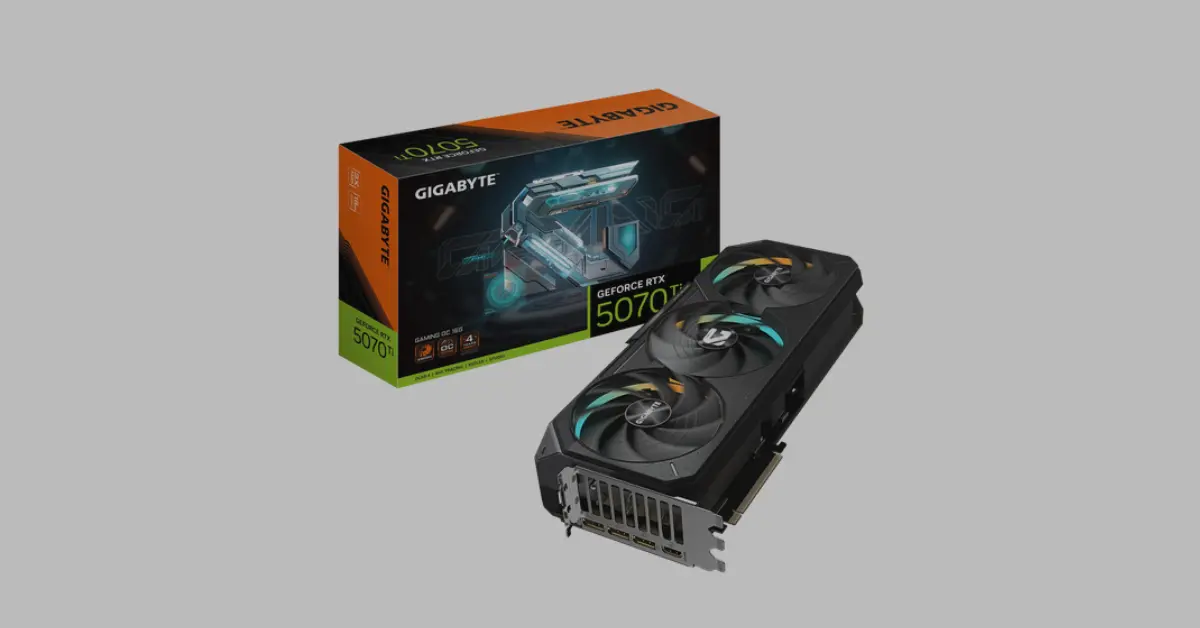
Finding the best 1440p GPU for your gaming setup has never been more competitive or more confusing. The GPU market in 2026 is packed with options from both AMD and Nvidia, each offering different performance profiles, value propositions, and feature sets that can make the buying decision genuinely difficult. Whether you are chasing triple-digit frame rates in competitive shooters, pushing maximum visual fidelity in story-driven titles, or trying to find the best balance between performance and price, the right graphics card makes all the difference in your 1440p gaming experience.
In this guide, we have broken down the five best GPUs for 1440p gaming in 2026, drawing from in-depth reviews and benchmarks published by trusted outlets including Tom’s Hardware, TechSpot, and TechRadar, so you can make a confident, well-informed purchase.
Why Your GPU Choice Matters So Much at 1440p in 2026
Best 1440p GPU for High FPS Gaming in 2026
| GPU | VRAM | Memory Bus | TDP | Best For |
|---|---|---|---|---|
| AMD Radeon RX 9070 XT | 16GB GDDR6 | 256-bit | 304W | Best value 1440p gaming |
| Nvidia GeForce RTX 5070 Ti | 16GB GDDR7 | 256-bit | 300W | Premium 1440p and light 4K |
| Nvidia GeForce RTX 5070 | 12GB GDDR7 | 192-bit | 250W | Mid-range 1440p |
| AMD Radeon RX 9060 XT 16GB | 16GB GDDR6 | 128-bit | 160W | Budget 1440p gaming |
| Nvidia GeForce RTX 5090 | 32GB GDDR7 | 512-bit | 575W | No-compromise 1440p and 4K |
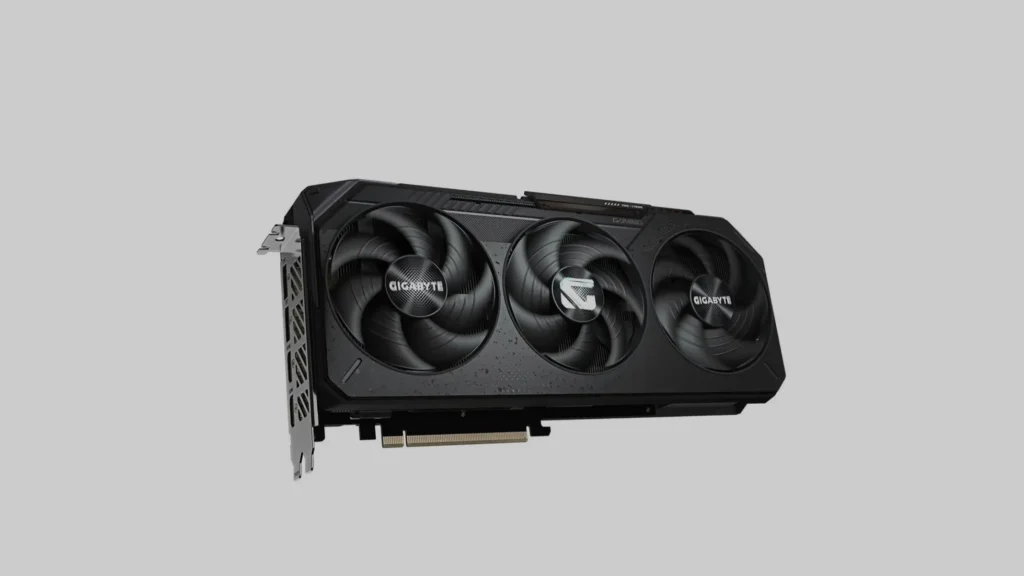
AMD Radeon RX 9070 XT
Specs at a Glance
| Specification | Detail |
|---|---|
| Architecture | RDNA 4 |
| Shader Processors | 4,096 |
| Boost Clock | 2,400 MHz |
| VRAM | 16GB GDDR6 |
| Memory Bus | 256-bit |
| Memory Bandwidth | 640 GB/s |
| L2 Cache | 64MB |
| Total Board Power | 304W |
| Die Size | 357mm² |
| Process Node | TSMC N4P |
Reasons to Buy
- Outstanding value for money compared to competing Nvidia cards at this tier
- 16GB of GDDR6 VRAM gives it a significant advantage over 8GB and 12GB competing cards
- Dramatically improved ray tracing performance compared to previous RDNA 3 generation
- FSR 4 upscaling technology that has closed the gap considerably with Nvidia's DLSS
- Excellent rasterization performance across a wide variety of gaming titles
- Competitive performance against the RTX 5070 Ti at a significantly lower price point
Reasons to Avoid
- Ray tracing still trails Nvidia's competing cards, particularly in the most demanding RT titles
- Performance in certain titles like Counter-Strike 2 and War Thunder at 1440p falls behind Nvidia
- Real world retail pricing above MSRP can erode the value advantage significantly
- Higher power consumption compared to Nvidia's competing offerings at this performance tier
Why the 9070 XT Stands Out as a Value 1440p GPU
Gaming Performance Across Popular Titles at 1440p
In real world gaming performance at 1440p, the 9070 XT delivers impressive results across a wide variety of titles. TechSpot’s testing showed strong performance in games like Cyberpunk 2077, Call of Duty Black Ops 6, Warhammer 40,000 Space Marine 2, and God of War Ragnarok, where the card either matches or in some cases outperforms Nvidia’s RTX 5070 Ti.
| Game Title | 9070 XT vs RTX 5070 Ti at 1440p |
|---|---|
| God of War Ragnarok | Essentially tied, within 1% |
| Call of Duty Black Ops 6 | 22% faster than RTX 5070 Ti |
| Warhammer 40,000 Space Marine 2 | 17% faster than RTX 5070 Ti |
| Cyberpunk 2077 | Matches RTX 5070 Ti |
| Hogwarts Legacy | 4% faster than RTX 5070 Ti |
| Counter-Strike 2 | 10% slower than RTX 5070 Ti |
| Stalker 2 | 9% slower than RTX 5070 Ti |
Ray Tracing
One of the most significant improvements with RDNA 4 is ray tracing performance. TechSpot’s testing showed the 9070 XT delivering a 34% improvement over the previous generation RX 7900 XT in Metro Exodus Enhanced at 1440p. In Cyberpunk 2077 with ultra ray tracing settings, the card rendered 68 fps at 1440p with upscaling, trailing the RTX 5070 Ti by only 8%, which is an impressive result for a Radeon GPU.
| Ray Tracing Title | 9070 XT vs RX 7900 XT |
|---|---|
| Metro Exodus Enhanced 1440p | 34% faster |
| Cyberpunk 2077 Ultra RT 1440p | 51% faster |
| Spider-Man Remastered RT 1440p | 22% faster than 7900 XTX |
| Dying Light 2 RT 1440p | Slightly faster than 7900 XTX |
Where the 9070 XT Makes Its Case
Who Should Buy the Radeon RX 9070 XT
Best for: Value-focused 1440p gamers who want strong rasterization performance, plenty of VRAM, and improved ray tracing without paying a premium.
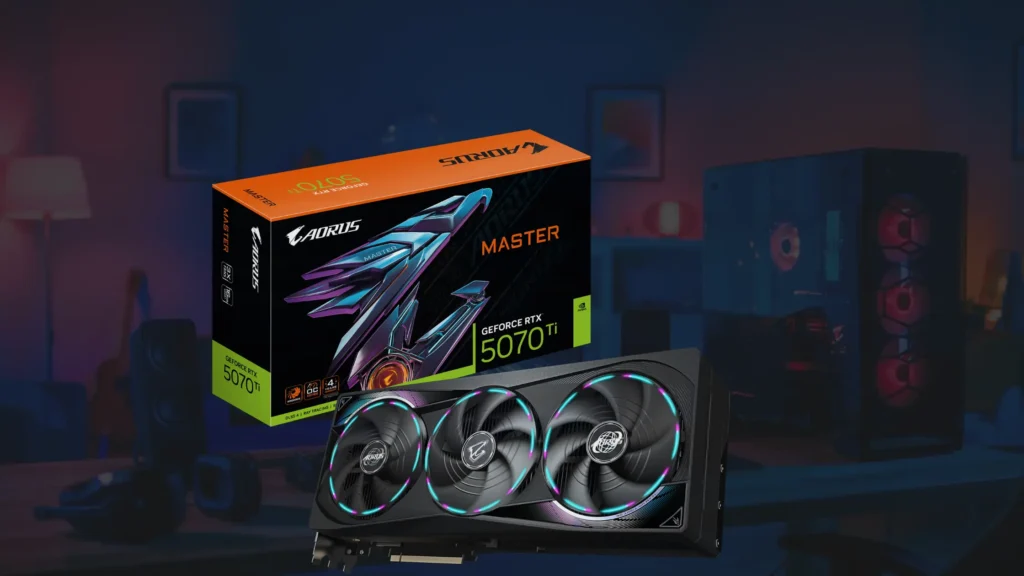
Nvidia GeForce RTX 5070 Ti
Specs at a Glance
| Specification | Detail |
|---|---|
| Architecture | Blackwell GB203 |
| Shader Processors | 8,960 |
| Boost Clock | 2,452 MHz |
| VRAM | 16GB GDDR7 |
| Memory Bus | 256-bit |
| Memory Bandwidth | 896 GB/s |
| Tensor Cores | 280 |
| Ray Tracing Cores | 70 |
| Total Graphics Power | 300W |
| Process Node | TSMC 4N |
Reasons to Buy
- Excellent overall 1440p and 4K gaming performance across virtually every title tested
- 16GB of GDDR7 memory delivers best-in-class bandwidth at this tier
- DLSS 4 with Multi Frame Generation support for dramatically boosted frame rates
- Strong ray tracing performance that consistently leads AMD at equivalent price points
- More power efficient than the previous generation RTX 4070 Ti Super while being faster
- Broad game compatibility and driver maturity across a wide library of titles
Reasons to Avoid
- Frequently sells above MSRP due to supply constraints, eroding value significantly
- The RX 9070 XT delivers similar rasterization performance at a lower price point
- DLSS 4 Multi Frame Generation adds latency that can be noticeable in fast-paced competitive titles
- Marginal improvement over the RTX 4070 Ti Super in raw rasterization performance
Performance That Leads Across Most Tested Titles
Where the RTX 5070 Ti Leads AMD at 1440p
While the RX 9070 XT closes the gap in many titles, the RTX 5070 Ti maintains a consistent advantage in several important gaming scenarios and categories that matter to enthusiast buyers.
| Performance Category | RTX 5070 Ti vs RX 9070 XT |
|---|---|
| Overall 1440p average | 6% faster on average |
| Ray tracing overall | Approximately 21% faster on average |
| Counter-Strike 2 1440p | Significantly faster |
| Stalker 2 1440p | 9% faster |
| Star Wars Jedi Survivor 1440p | 12% faster |
| Memory bandwidth | 896 GB/s vs 640 GB/s |
DLSS 4 and Multi Frame Generation
Ray Tracing Superiority at This Tier
Who Should Buy the RTX 5070 Ti
Best for: Enthusiast gamers who want consistent performance leadership, strong ray tracing capability, and access to Nvidia’s full AI rendering feature set at 1440p.
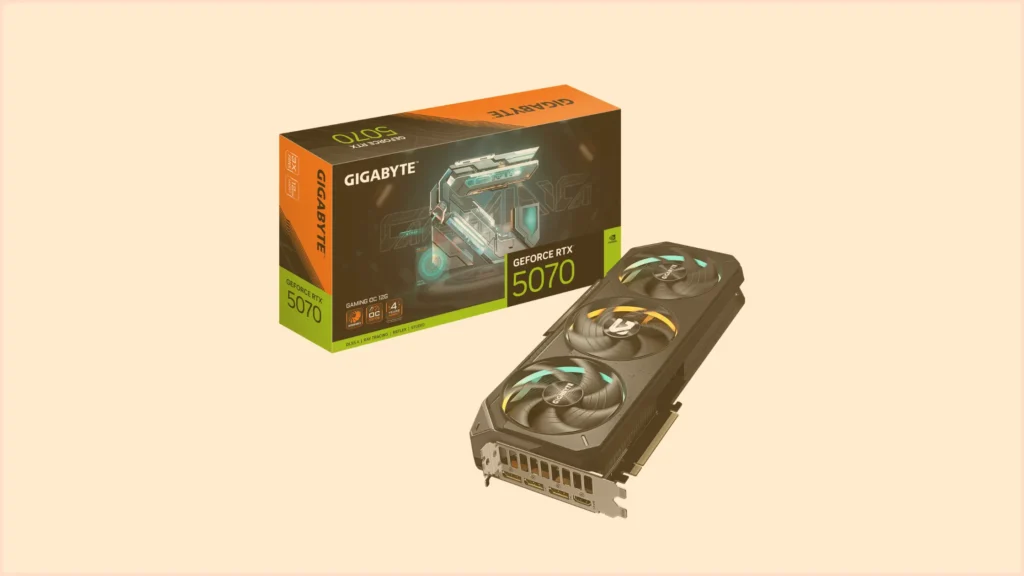
Nvidia GeForce RTX 5070
Specs at a Glance
| Specification | Detail |
|---|---|
| Architecture | Blackwell GB205 |
| Shader Processors | 6,144 |
| Boost Clock | 2,512 MHz |
| VRAM | 12GB GDDR7 |
| Memory Bus | 192-bit |
| Memory Bandwidth | 672 GB/s |
| Tensor Cores | 192 |
| Ray Tracing Cores | 48 |
| Total Graphics Power | 250W |
| Process Node | TSMC N4P |
Reasons to Buy
- The most accessible Blackwell GPU with full DLSS 4 and Multi Frame Generation support
- Fastest GDDR7 memory at this price tier with 672 GB/s bandwidth
- Strong 1440p performance in the majority of mainstream gaming titles
- PCIe 5.0 interface and modern platform connectivity for future proofing
- Compact Founders Edition form factor fits well in SFF and mid-tower cases
- Generally better stock availability compared to higher-tier Blackwell cards
Reasons to Avoid
- Only 12GB of VRAM is a notable limitation compared to AMD's competing offerings
- Delivers only marginally better performance than the RTX 4070 Super without MFG enabled
- MFG adds latency that is more noticeable at this performance tier than on higher-end cards
- The RX 9060 XT 16GB offers similar or better value at a considerably lower price point
The Performance Reality Without MFG
In native rasterization performance without Multi Frame Generation enabled, the RTX 5070 delivers roughly 4 to 5 percent better performance on average compared to the previous generation RTX 4070 Super, according to TechRadar’s testing. That is a very modest generational improvement in raw gaming terms, and it means the RTX 5070 functionally performs like a mildly overclocked version of its predecessor across most of the games that the vast majority of players will actually run.
| Performance Scenario | RTX 5070 vs RTX 4070 Super |
|---|---|
| Overall 1440p average without MFG | Approximately 4 to 5% faster |
| 4K average without MFG | Approximately 4.5% faster |
| 3DMark synthetic benchmarks | Approximately 6% faster |
| Creative workloads overall | Approximately 3% faster |
| MFG-supported titles | Substantial frame rate multiplier |
Where Multi Frame Generation Changes the Picture
The VRAM Concern at 12GB
Who Should Buy the RTX 5070
Best for: Mainstream 1440p gamers who specifically want Nvidia’s DLSS 4 ecosystem and Multi Frame Generation support, and are comfortable with the 12GB VRAM capacity.
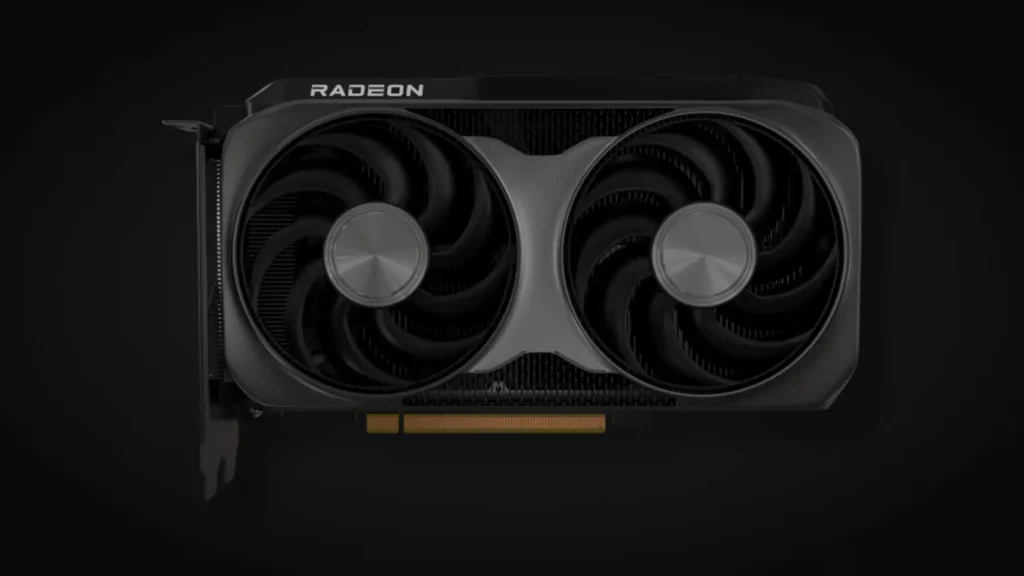
AMD Radeon RX 9060 XT 16GB
Specs at a Glance
| Specification | Detail |
|---|---|
| Architecture | RDNA 4 |
| Shader Processors | 2,048 |
| Boost Clock | 3,130 MHz |
| VRAM | 16GB GDDR6 |
| Memory Bus | 128-bit |
| Memory Bandwidth | 320 GB/s |
| L2 Cache | 32MB |
| Total Board Power | 160W |
| Die Size | 199mm² |
| Process Node | TSMC N4P |
Reasons to Buy
- The most affordable 16GB VRAM graphics card on the market in its class
- Performance comparable to Nvidia's RTX 5060 Ti at a meaningfully lower price
- Extremely low 160W TDP makes it ideal for smaller systems and modest power supplies
- FSR 4 support delivers improved upscaling quality over previous generation AMD cards
- Excellent 1440p gaming performance across a wide range of mainstream titles
- 43% faster than the previous generation RX 7600 XT it replaces
Reasons to Avoid
- 128-bit memory bus is narrow and can be a limiting factor in memory-intensive scenarios
- Ray tracing performance at this tier remains limited, particularly in demanding RT titles
- The 8GB version shares the same name and must be actively avoided when shopping
- Real world retail pricing above MSRP can significantly weaken the value proposition
Performance That Punches Well Above Its Price
The RX 9060 XT 16GB is based on a scaled-down version of the RDNA 4 architecture, featuring 2,048 shader processors on a compact 199mm² die. Despite those more modest specifications, the card delivers surprisingly capable 1440p performance across a wide variety of gaming titles.
| Game Title | RX 9060 XT 16GB vs RTX 5060 Ti |
|---|---|
| Call of Duty Black Ops 6 1440p | 32% faster than RTX 5060 Ti |
| Hogwarts Legacy 1440p | 5% faster than RTX 5060 Ti |
| God of War Ragnarok 1440p | Slightly ahead of RTX 5060 Ti |
| A Plague Tale Requiem 1440p | 3% slower than RTX 5060 Ti |
| Cyberpunk 2077 1440p | Within 2% of RTX 5060 Ti |
| Counter-Strike 2 1440p | 17% slower than RTX 5060 Ti |
| Delta Force 1440p | 10% slower than RTX 5060 Ti |
The 16GB VRAM Advantage That Sets It Apart
Avoid the 8GB Version
Power Efficiency That Suits Budget Builds
Who Should Buy the RX 9060 XT 16GB
Best for: Budget-focused 1440p gamers who prioritize VRAM capacity, efficiency, and modern feature support at the lowest possible price of entry.
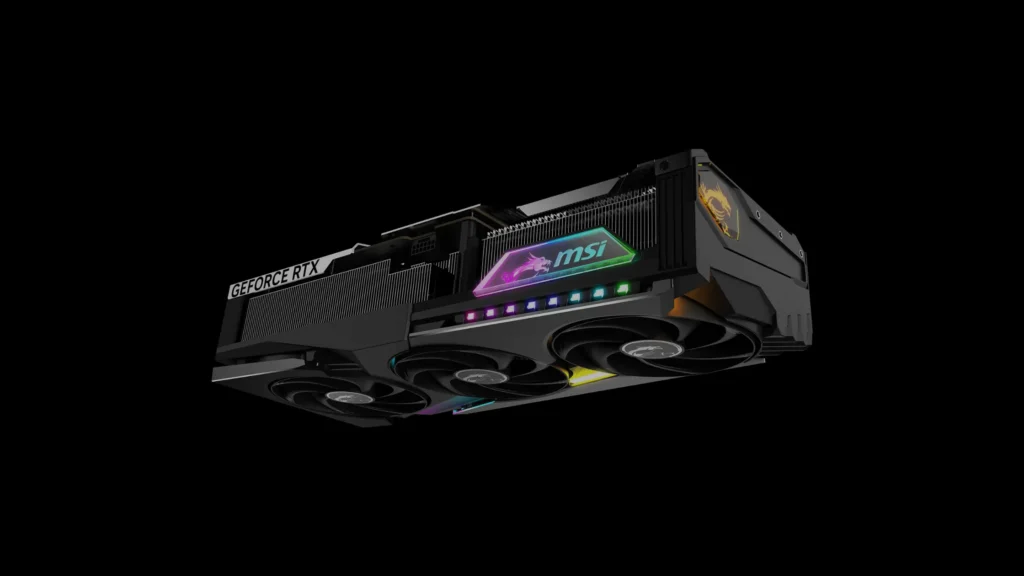
Nvidia GeForce RTX 5090
Specs at a Glance
| Specification | Detail |
|---|---|
| Architecture | Blackwell GB202 |
| Shader Processors | 21,760 |
| Boost Clock | 2,407 MHz |
| VRAM | 32GB GDDR7 |
| Memory Bus | 512-bit |
| Memory Bandwidth | 1,792 GB/s |
| Tensor Cores | 680 |
| Ray Tracing Cores | 170 |
| Total Board Power | 575W |
| Process Node | TSMC 4N |
Reasons to Buy
- The fastest gaming GPU ever produced, leading every benchmark by significant margins
- 32GB of GDDR7 VRAM with 1,792 GB/s bandwidth for absolute future proofing
- Dominant 4K performance that no competing card comes close to matching
- Outstanding AI workload performance with native FP4 support for professional use cases
- 33% more VRAM than the RTX 4090 and 78% higher memory bandwidth
- Fully future-proof for every gaming and AI workload imaginable across this generation
Reasons to Avoid
- Extreme price point makes it inaccessible for the vast majority of buyers
- 575W TDP requires a top-tier power supply and robust case airflow to run properly
- At 1440p, it is significant overkill and the GPU will often be CPU-limited
- Founders Edition has reported thermal concerns that buyers should be aware of
- Supply constraints make it difficult to find near its intended launch price
A Generational Leap in Raw Performance
The RTX 5090 is built on Nvidia’s largest Blackwell die, the GB202, featuring an extraordinary 21,760 CUDA cores, 170 dedicated ray tracing cores, and 680 tensor cores. The memory system is equally impressive, packing 32GB of GDDR7 running on a 512-bit bus for 1,792 GB/s of bandwidth, which is 78% more than the already fast RTX 4090. These specifications represent a 33% increase in raw streaming multiprocessors compared to the previous generation flagship.
| Comparison | RTX 5090 vs RTX 4090 |
|---|---|
| Streaming Multiprocessors | 33% more |
| VRAM Capacity | 33% more (32GB vs 24GB) |
| Memory Bandwidth | 78% higher |
| FP32 Compute | Approximately 27% more |
| TDP | 575W vs 450W |
Why the RTX 5090 Is Still Relevant at 1440p
AI Workload Dominance Beyond Gaming
The Thermal and Power Caveat
Who Should Buy the RTX 5090
This card is for a very specific type of buyer. If you work with AI or machine learning alongside gaming, regularly game at 4K with maximum ray tracing enabled, or simply want the absolute best 1440p GPU with years of guaranteed performance headroom, the RTX 5090 is the only card that answers every demand without compromise. Also to avoid bottlenecks high-end CPU must be paired with this card, check out our list of Best overall Good CPUs.
Best for: No-compromise enthusiasts, AI researchers, 4K gamers, and professionals who want the fastest single GPU available and have both the budget and the system to support it.
Which Is the Best 1440p GPU for You in 2026?
With five outstanding GPUs covering every point on the performance and value spectrum, the right choice comes down entirely to your budget, the games you play, and how much you value specific features like ray tracing quality, VRAM capacity, and upscaling technology.
| Your Priority | Best GPU Pick |
|---|---|
| Best value for 1440p gaming | AMD Radeon RX 9070 XT |
| Premium 1440p with strong ray tracing | Nvidia GeForce RTX 5070 Ti |
| Mainstream 1440p with DLSS 4 access | Nvidia GeForce RTX 5070 |
| Best budget 1440p with future-proof VRAM | AMD Radeon RX 9060 XT 16GB |
| No-compromise performance, money no object | Nvidia GeForce RTX 5090 |
For the vast majority of 1440p gamers in 2026, the AMD Radeon RX 9070 XT represents the single most compelling recommendation. It offers strong rasterization performance, a meaningful 16GB VRAM advantage, dramatically improved ray tracing compared to previous RDNA generations, and value that is genuinely difficult to match when found near its intended price. For those who want a more premium experience with consistent leadership across all game types and workloads, the RTX 5070 Ti is the natural step up. Budget builders should look no further than the RX 9060 XT 16GB, provided they verify they are purchasing the 16GB variant. And for those chasing absolute performance regardless of cost, the RTX 5090 remains in a class entirely by itself.
For the most current and regularly updated GPU rankings and benchmark data, both Tom’s Hardware’s GPU hierarchy and TechSpot’s GPU review coverage are excellent resources to bookmark before making your final purchasing decision.
Whatever your budget and priorities, the current GPU market gives every type of builder a genuinely capable best 1440p GPU option that will deliver an excellent high frame rate gaming experience throughout this hardware generation.