In this guide of best handheld gaming pcs we have broken down the three most compelling handheld gaming PCs available today, drawing from comprehensive hands-on reviews by IGN, Tom’s Hardware, and PC Gamer, so you can make a confident and informed decision that matches your gaming habits and budget.
Why Buy a Handheld Gaming PC in 2026?
Best Handheld Gaming PCs in 2026
| Device | Processor | Display | Battery | OS | Best For |
|---|---|---|---|---|---|
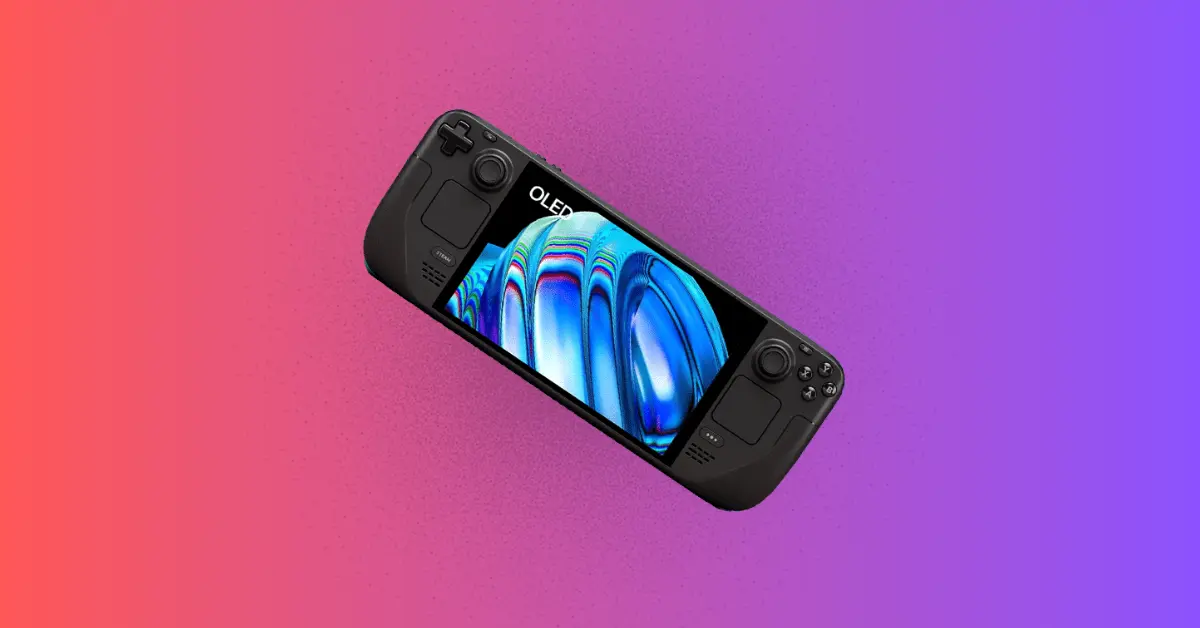
| Steam Deck OLED | AMD APU (custom) | 7.4″ OLED 90Hz | 50Wh | SteamOS | Best overall value and software experience |
| Asus ROG Xbox Ally X | AMD Ryzen Z2 Extreme | 7″ IPS LCD 120Hz | 80Wh | Windows with Xbox UI | Best raw performance and ergonomics |
| Lenovo Legion Go S | AMD Ryzen Z2 Go | 8″ IPS LCD 120Hz | 55.5Wh | Windows 11 | Budget Windows handheld with large screen |
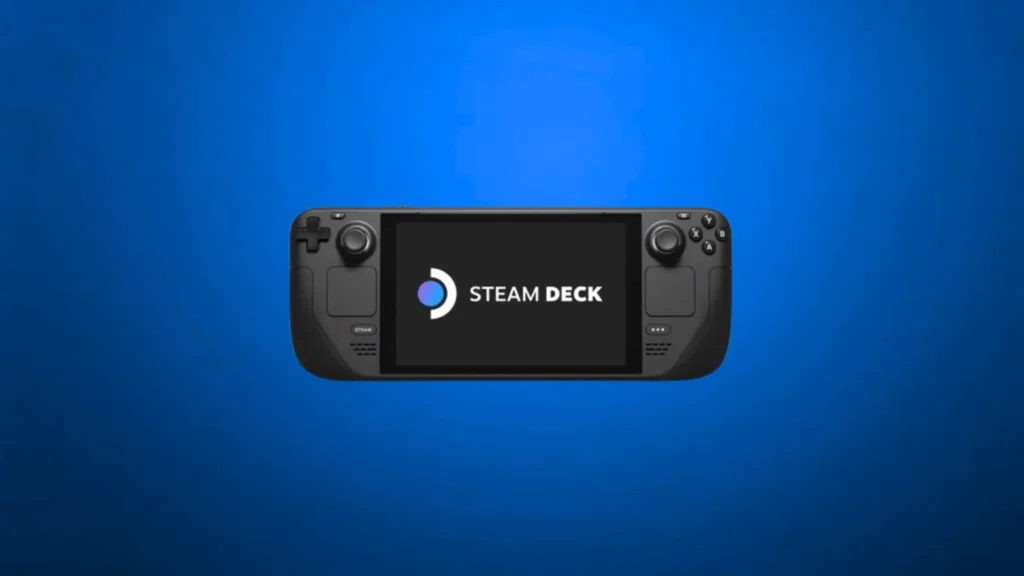
Steam Deck OLED
Specs at a Glance
| Specification | Detail |
|---|---|
| Processor | AMD custom APU (same gaming performance as LCD original) |
| Display | 7.4-inch OLED, 1280×800, 90Hz, HDR |
| Peak Brightness | 1,000 nits HDR, 600 nits SDR |
| Color Gamut | 110% DCI-P3 |
| Battery | 50Wh |
| Storage | 512GB (mid-tier) or 1TB (high-tier) |
| Wi-Fi | Wi-Fi 6 |
| Weight | 30g lighter than original LCD |
| Operating System | SteamOS (Linux) |
| Anti-Glare Coating | Available on 1TB model |
Reasons to Buy
- IGN confirms the OLED model is a clear across-the-board improvement on what was already a fantastic gaming handheld
- OLED display with HDR and 110% DCI-P3 coverage delivers a genuinely stunning visual experience
- Battery life improved by up to 66% over the LCD model in real-world testing, making it truly portable
- SteamOS remains the most refined, intuitive, and seamless handheld gaming operating system available
- 90Hz refresh rate up from 60Hz on the original provides noticeably smoother gaming and navigation
- Redesigned thermals and larger fan keep the device 5 to 10 degrees cooler than its predecessor
- Wi-Fi 6 delivers two to three times faster downloads compared to the original
- Dedicated Bluetooth radio separate from Wi-Fi improves wireless peripheral connectivity
- Doubled storage at essentially the same price compared to previous tier pricing
Reasons to Avoid
- Games using Easy Anti-Cheat like Fortnite and Call of Duty Warzone remain unplayable on SteamOS
- Non-Steam games from Epic Games Store, GOG, and itch.io require extra compatibility steps
- Gaming performance is identical to the original LCD model, not a generational hardware upgrade
- Linux-based desktop mode requires technical knowledge to use effectively for file management
The Centerpiece of the Upgrade
From Tethered to Truly Portable
The Software Advantage No Competitor Has Matched
The Compatibility Caveat to Understand
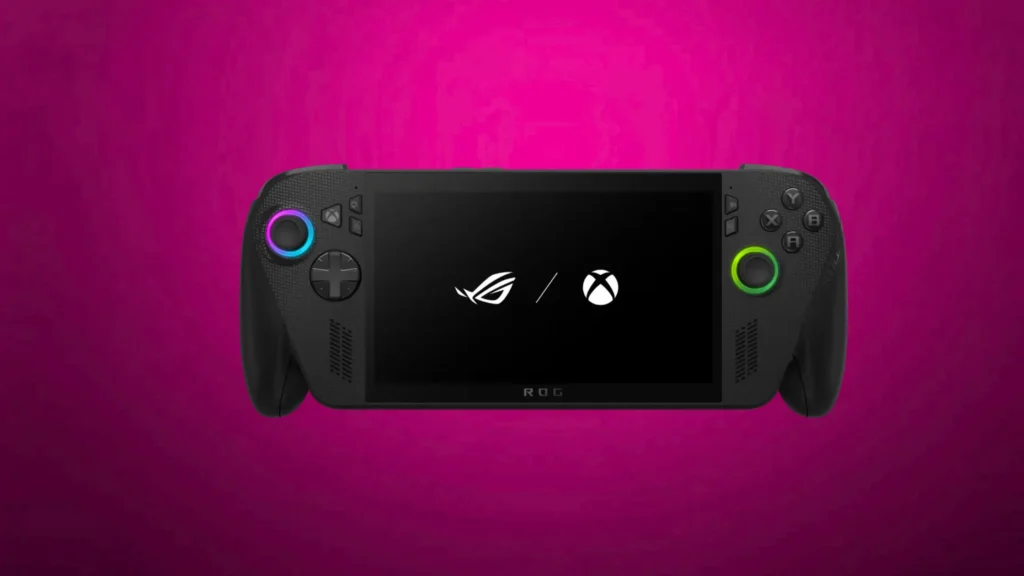
Asus ROG Xbox Ally X
Specs at a Glance
| Specification | Detail |
|---|---|
| Processor | AMD Ryzen Z2 Extreme (Zen 5 and Zen 5c, 8 cores) |
| GPU | Radeon 890M, RDNA 3.5, 16 Compute Units |
| Memory | 24GB LPDDR5x-8000 |
| Storage | 1TB PCIe 4.0 NVMe M.2 2280 |
| Display | 7-inch IPS LCD, 1920×1080, 120Hz |
| Peak Brightness | 500 nits |
| Battery | 80Wh |
| Operating System | Windows with Xbox Full Screen Experience |
| Weight | 715 grams |
| USB | 1x USB4 with Thunderbolt 4 compatible, 1x USB 3.2 Gen with DP 2.1 |
Reasons to Buy
- PC Gamer confirms it is the fastest handheld gaming PC they have ever tested, beating all current competition
- Radeon 890M RDNA 3.5 iGPU delivers the most performant graphics component available in any handheld
- Ergonomic design with extended grips is the most comfortable handheld gaming PC PC Gamer has used
- Runs exceptionally quietly even at Turbo performance settings, far below competing devices at similar TDP
- 80Wh battery is one of the largest available in any handheld, delivering extended playtime
- Xbox Full Screen Experience provides a substantially better interface than standard Windows desktop on a small screen
- AMD frame generation and FSR upscaling support provides additional performance headroom for demanding titles
- Thunderbolt 4 compatible USB4 port enables connection to external GPUs and high-bandwidth peripherals
Reasons to Avoid
- Premium pricing significantly above every competing handheld makes value justification difficult for most buyers
- IPS LCD display at 500 nits feels flat and dull compared to OLED alternatives at lower price points
- Xbox Full Screen Experience is not as unified or seamless as SteamOS and still relies on Windows underneath
- Performance advantage over competing Z1 Extreme devices is small relative to the significant price premium
- Frame generation can produce visible artifacting in some scenarios
- Quick Resume feature from Xbox consoles is not available as this runs Windows, not a console OS
The Z2 Extreme APU
The Ergonomics Advantage
The Xbox Full Screen Experience
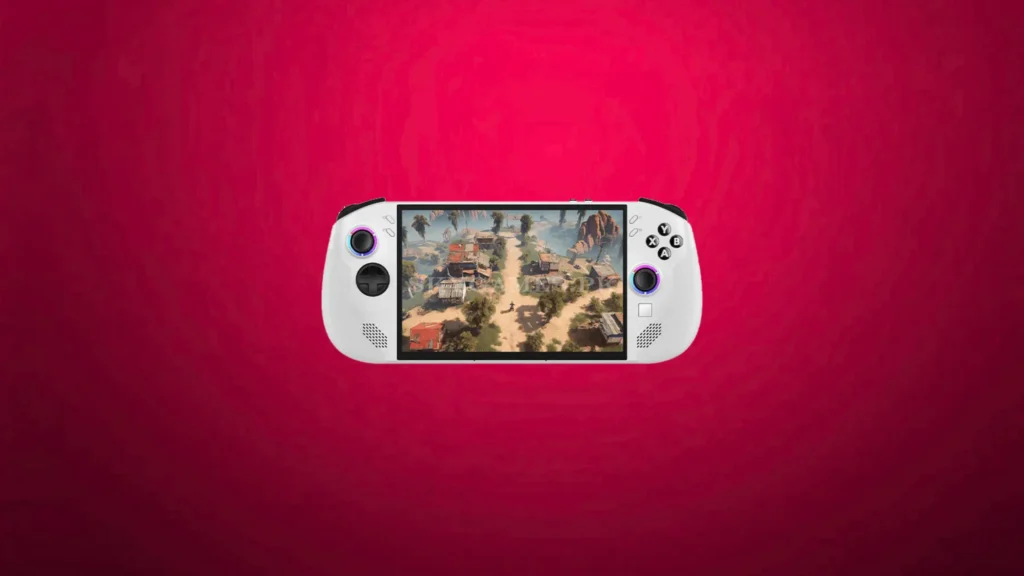
Lenovo Legion Go S
Specs at a Glance
| Specification | Detail |
|---|---|
| Processor | AMD Ryzen Z2 Go (Zen 3+, 4 cores, up to 4.3GHz) |
| GPU | AMD Radeon 680M RDNA 2, 12 Compute Units |
| Memory | 32GB LPDDR5X-6400MHz |
| Storage | 1TB M.2 SSD (2242 or 2280 compatible) |
| Display | 8-inch IPS LCD, 1920×1200, 120Hz, touchscreen |
| Brightness | 455.5 nits measured |
| Battery | 55.5Wh |
| Operating System | Windows 11 Home |
| Weight | 1.61 pounds (730g) |
| Networking | Wi-Fi 6E, Bluetooth 5.3 |
Reasons to Buy
- 8-inch display is the largest screen available in this handheld comparison at a competitive price
- 32GB of LPDDR5X memory is more than any competing device on this list offers at the same tier
- SSD slot accepts both M.2 2242 and M.2 2280 drives, providing more upgrade options than most competing handhelds
- Curvier, more ergonomic design than the original Legion Go reduces hand fatigue during extended sessions
- Legion Space software provides an accessible overlay for performance profile management and game launching
- 120Hz display refresh rate supports smooth motion in compatible games
- USB4 ports enable connection to external displays and high-speed accessories
- SteamOS version available at a lower price point for buyers who prefer Valve's software ecosystem
Reasons to Avoid
- Z2 Go processor is a significant step down from Z1 Extreme devices, with 10 to 25% lower peak performance
- Tom's Hardware found it hard to recommend in Windows configuration given minimal price difference from the original Legion Go
- IPS display is smaller, lower resolution, and dimmer than the original Legion Go it replaces
- On-screen keyboard frequently failed to appear when needed in testing, causing regular frustration
- Touchpad has a quirky click mechanism that causes cursor drift, making precise clicking difficult in games
- No built-in kickstand despite the previous model including one
Understanding the Performance Trade-off
The 32GB RAM Advantage
The More Interesting Proposition
Best for: Budget-focused Windows best handheld gaming pc buyers who want a large 8-inch screen, 32GB of RAM for multitasking, and flexible storage upgrade options, or those specifically waiting for the SteamOS version at its more competitive price point.
Which Is the Best Handheld Gaming PC for You in 2026?
With three best handheld gaming PCs covering different operating systems, performance tiers, and price points, the right choice depends entirely on your gaming library, budget, and what you value most in a portable best handheld gaming pc experience.
| Your Priority | Best Handheld Gaming PC |
|---|---|
| Best overall value, battery life, and software experience | Steam Deck OLED |
| Best raw performance and ergonomic comfort | Asus ROG Xbox Ally X |
| Best budget Windows handheld with large screen | Lenovo Legion Go S |
For the vast majority of best handheld gaming PC buyers, the Steam Deck OLED remains the most compelling recommendation in 2026. Its combination of a genuinely beautiful OLED display, dramatically improved battery life, the most best handheld gaming pc software experience available, and strong value compared to competing devices makes it the obvious starting point for anyone entering this category. The fact that it has continued to improve through software updates and is now available at pricing that delivers twice the storage of previous entry-tier models only strengthens its position.
For enthusiasts who want the best possible gaming performance and are willing to pay a premium, the Asus ROG Xbox Ally X delivers a genuinely impressive experience, particularly in terms of raw frame rates and ergonomic comfort. Just go in with realistic expectations about the Xbox branding and the Windows-based software experience. And for budget-focused Windows handheld buyers, the Legion Go S’s upcoming SteamOS configuration is worth monitoring closely before committing to any purchase at current Windows pricing.
For the most detailed benchmark data and hands-on best handheld gaming pc performance analysis, IGN’s Steam Deck OLED review and PC Gamer’s ROG Xbox Ally X coverage are both excellent resources to consult before making your final decision. Don’t forget to check out the best 5090 Prebuilt as well.