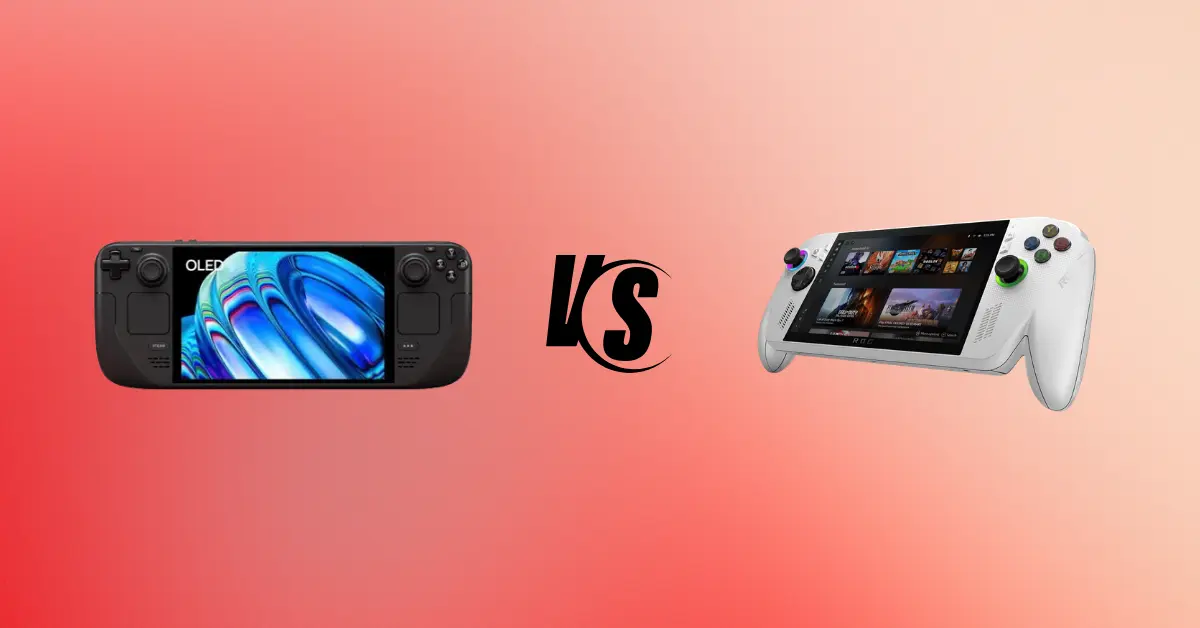
Steam Deck vs ROG Ally (Don’t Buy Before This)

Steam Deck vs ROG Ally (Don’t Buy Before This)

The steam deck vs rog ally debate has become one of the most genuinely interesting conversations in PC gaming, and for good reason. These two handheld gaming PCs represent fundamentally different philosophies about what portable gaming should look like, and choosing the wrong one for your specific needs could leave you frustrated with a device that cost you several hundred dollars. Before you pull the trigger on either, this guide will walk you through every meaningful difference so you can buy with complete confidence.
Whether you are a first-time handheld buyer trying to figure out where to start, or an existing PC gamer evaluating whether to make the jump to portable play, the steam deck vs rog ally comparison is more nuanced than most spec sheet comparisons suggest. On paper, the ROG Ally X looks like it should win easily. In practice, the answer is considerably more complicated.

Steam Deck vs ROG Ally

SpecificationSteam Deck OLEDASUS ROG Ally X
ChipsetCustom AMD Zen 2 APUAMD Ryzen Z1 Extreme
Memory16GB LPDDR5x24GB LPDDR5x
StorageUp to 1TB NVMe SSD1TB PCIe Gen 4×4 SSD
Display7-inch OLED, 1280×800, 90Hz, HDR7-inch IPS LCD, 1920×1080, 120Hz
Battery50Wh80Wh
Operating SystemSteamOSWindows 11
Weight1.4 pounds1.49 pounds
Dimensions11.73 x 4.6 x 1.93 inches11 x 4.4 x 0.9 inches
USB Ports1x USB-C1x USB 4, 1x USB 3.2 Gen 2
Starting Price$549 (512GB) / $649 (1TB)$799
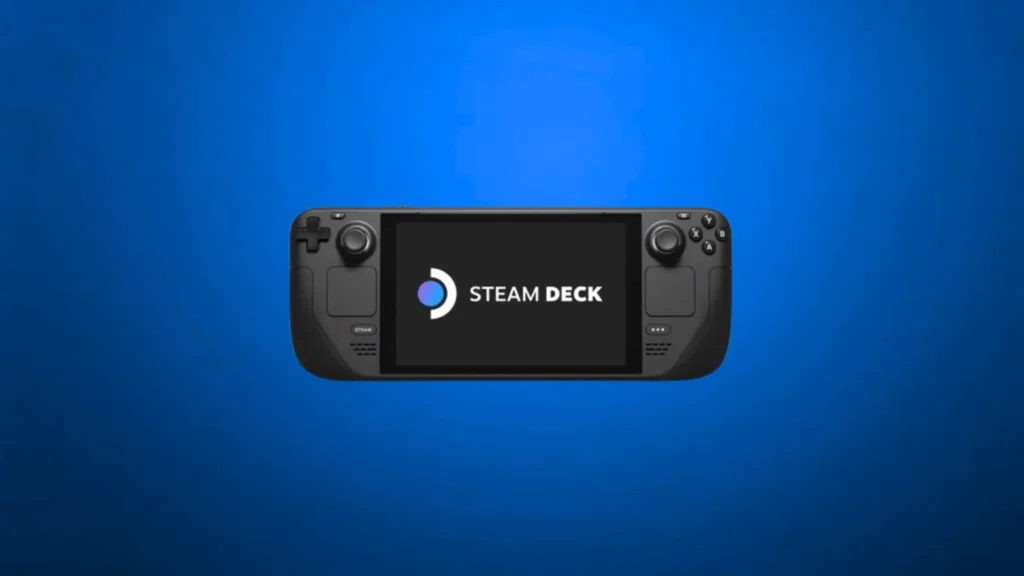
Best Handheld Gaming PCs - Steam Deck OLED
"Steam Deck vs Rog Ally X - Steam Deck OLED"

Steam Deck OLED

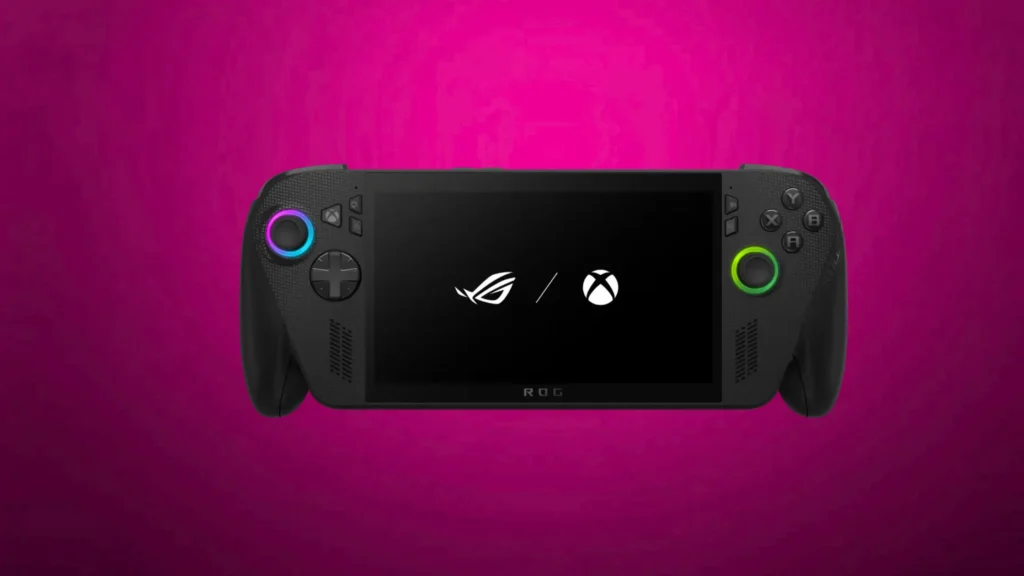
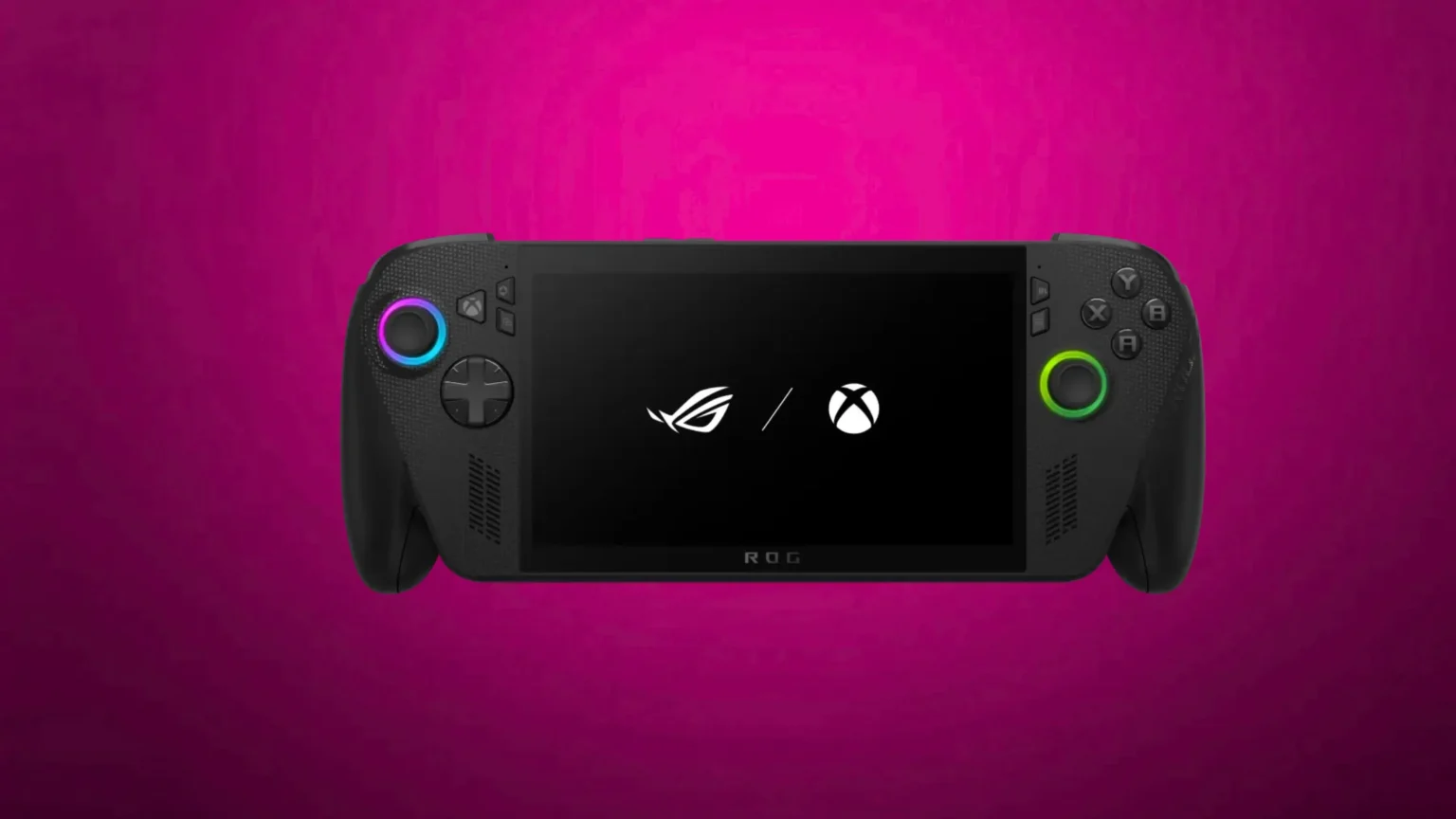
Best Handheld Gaming PCs of 2026 - ASUS ROG Xbox Ally x
"Steam Deck vs Rog Ally X - Rog Ally X"

Asus ROG Ally X

One Clear Winner From the Start
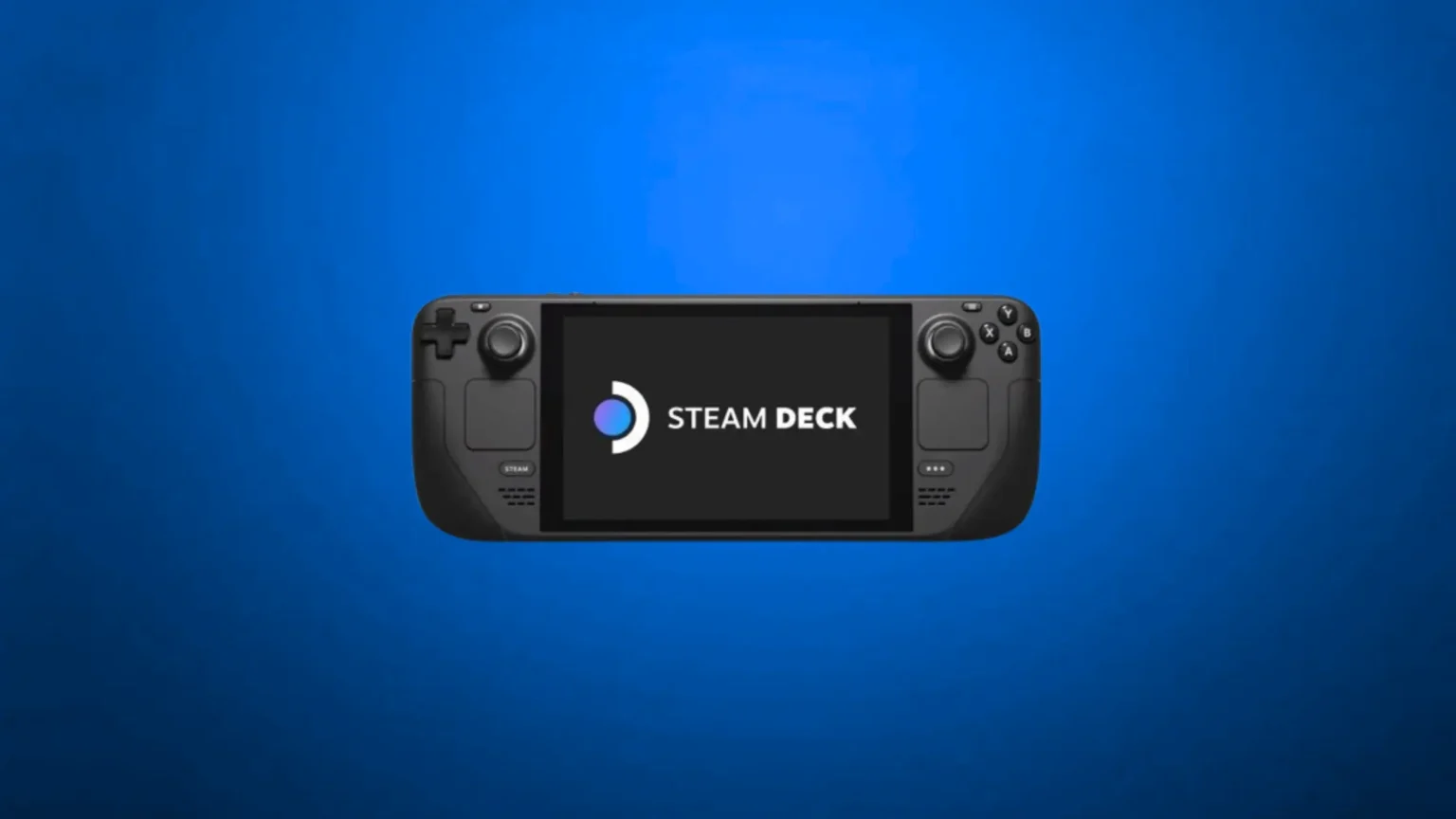
The price difference in the steam deck vs rog ally comparison is the first factor every buyer should acknowledge, and it is not a minor gap. The Steam Deck OLED starts at $549 for the 512GB version and rises to $649 for the full 1TB configuration. The ASUS ROG Ally X comes in a single configuration at $799.
Best Handheld Gaming PCs - Steam Deck OLED
"Steam Deck vs Rog Ally X - Steam Deck OLED"

Steam Deck OLED

That means the ROG Ally X costs up to $250 more than the top-tier Steam Deck OLED, which as Tom’s Guide noted in their comprehensive comparison, puts the ROG Ally X squarely in budget gaming laptop territory. That is a significant financial commitment for a device that will be your secondary gaming platform rather than your primary rig for most buyers.
For buyers operating on a strict budget, the Steam Deck OLED wins this category unambiguously. The question is whether the ROG Ally X’s performance and feature advantages justify the premium for your specific use case, which the rest of this guide will help you determine.

OLED vs IPS and What It Actually Means for Gaming

The display comparison in the steam deck vs rog ally matchup is one of the most interesting and counterintuitive in the entire debate. The ROG Ally X has a higher resolution 1080p panel running at 120Hz, while the Steam Deck OLED runs at 800p at 90Hz. On those numbers alone, the ROG Ally X should win. But displays are not just about resolution and refresh rate.
The Steam Deck OLED’s panel delivers 597 nits of brightness and 143.7% sRGB color gamut coverage in testing. The ROG Ally X manages 523 nits and 112.7% sRGB. More importantly, OLED’s infinite contrast advantage means blacks are genuinely black rather than dark grey, colors have natural depth and pop, and the overall visual impression is more immersive despite the lower pixel count.
As Tom’s Guide confirmed in their hands-on assessment, when it comes to pure vividness and color accuracy, the 90Hz OLED panel beats the 120Hz IPS display. Anyone who has experienced side-by-side OLED versus IPS viewing in similar conditions understands this intuitively. The visual quality difference is immediately apparent and persistent throughout the gaming session.
Display MetricSteam Deck OLEDASUS ROG Ally X
Panel TypeOLEDIPS LCD
Resolution1280×8001920×1080
Refresh Rate90Hz120Hz
Brightness597 nits523 nits
sRGB Coverage143.7%112.7%
HDR SupportYesNo
ContrastInfinite (OLED)Standard IPS
For gaming specifically, the OLED advantage is most pronounced in dark environments, atmospheric horror games, and titles with strong HDR content. The Steam Deck OLED’s HDR certification combined with its infinite contrast creates a genuinely premium visual experience that the ROG Ally X simply cannot replicate regardless of its higher resolution.

Which One Actually Feels Better in Your Hands?

Comfort during extended gaming sessions matters enormously in the steam deck vs rog ally debate, because handheld gaming is by nature a physically sustained activity that your hands feel over time.
The Steam Deck OLED has symmetrical joystick placement with pronounced grips, tactile face buttons, and a weight distribution that feels natural during long play sessions. The ergonomics have been refined through community feedback and real-world use, and the result is a device that feels purpose-built for extended handheld gaming rather than adapted from another form factor.
The ROG Ally X improved meaningfully over its predecessor with more pronounced grips made possible by the 0.4-inch increase in thickness that also houses the larger battery. Tom’s Guide confirmed the triggers have better travel, the D-Pad and face buttons have nice tactility, and the joysticks feel smooth and durable. However, the assessment was clear that if there were no Steam Deck, the ROG Ally X would be the best handheld to hold. But the Steam Deck exists, and from the symmetrical joysticks and super pronounced grips to the lighter overall weight, Valve’s device edges ahead.

The Most Important Factor Most Buyers Ignore

This is where the steam deck vs rog ally comparison gets most consequential for the average buyer, and it is the category that most significantly determines whether you will be happy with your purchase six months after unboxing.
SteamOS is purpose-built for handheld gaming. It presents a clean, console-like interface that allows you to browse your library, adjust performance settings, and launch games with controller navigation that feels natural from the first minute. The store is familiar and intuitive, the sleep and wake functionality works reliably, and the learning curve for getting from unboxing to playing your first game is measured in minutes rather than hours.
Windows 11 on the ROG Ally X is a fundamentally different experience. Microsoft’s desktop operating system was designed for keyboard and mouse interaction on large screens, and navigating it on a 7-inch display with a controller is genuinely awkward in ways that persist even after you become familiar with the device. Tom’s Guide described ease of use as a thorn in the side of the ROG Ally X, noting that while ASUS’s ROG Armoury Crate launcher helps somewhat, the underlying Windows experience makes things confusing quickly.
The ROG Ally X does offer a new Xbox Full Screen Experience overlay that improves the interface meaningfully, though as covered in our best handheld gaming PCs of 2026 guide, this implementation still falls short of SteamOS’s unified feel.

Where the ROG Ally X Takes Over

Best Handheld Gaming PCs of 2026 - ASUS ROG Xbox Ally x
"Steam Deck vs Rog Ally X - Rog Ally X"

Asus ROG Xbox Ally X

The steam deck vs rog ally performance gap is real, meaningful, and worth understanding in concrete terms before making your purchase decision.
The AMD Ryzen Z1 Extreme inside the ROG Ally X is a substantially more powerful processor than the custom Zen 2 APU in the Steam Deck OLED. The ROG Ally X also carries 24GB of LPDDR5x versus the Steam Deck’s 16GB, and its PCIe Gen 4 SSD offers faster loading speeds. The combined result is a device capable of running games at full 1080p resolution at meaningful frame rates that the Steam Deck simply cannot achieve.
Tom’s Guide’s benchmark testing captured this gap clearly. In Cyberpunk 2077 with Ray Tracing at Ultra settings, the ROG Ally X achieved 9.6 FPS versus the Steam Deck OLED which could not run that configuration at all. In Shadow of the Tomb Raider, the ROG Ally X hit 36 FPS while the Steam Deck managed 44 FPS at its native lower resolution. In practical gaming terms, the ROG Ally X can run modern demanding titles at 1080p at playable settings, while the Steam Deck operates best at 720p or 800p.
Game BenchmarkASUS ROG Ally XSteam Deck OLED
Cyberpunk 2077 RT Ultra9.6 FPSNot viable
DiRT 530.9 FPS41 FPS (lower res)
Shadow of Tomb Raider36 FPS44 FPS (lower res)
The Steam Deck’s results are at its native lower resolution, which partially explains its competitive showing in some titles. For less demanding games, both devices run well. For the most demanding current-generation titles at maximum settings, the ROG Ally X has a clear performance advantage.

Game Library and Compatibility

The steam deck vs rog ally game library debate has two distinct dimensions that buyers need to understand separately.
The Steam Deck benefits from Valve’s significant investment in game compatibility through the Proton compatibility layer. Over 15,000 games are verified as playable on the Steam Deck, and Valve’s active development work means this number continues to grow. The experience for Steam library games is polished and reliable, with games launching correctly and performing well within the device’s capabilities for the vast majority of titles.
The ROG Ally X runs Windows 11, which means any game launcher can be installed and any game library accessed. Epic Games Store, Battle.net, GOG, the Microsoft Store, and every other PC game platform works natively without any compatibility considerations. Tom’s Guide was clear that for raw numbers of accessible titles, Windows gives the ROG Ally X the advantage.
However, the Steam Deck’s ease of accessing non-Steam libraries has improved, and for most players whose libraries are primarily on Steam, the compatibility gap is not meaningful in practice. Reddit users in the r/Handhelds community have discussed this extensively, with many noting that real-world experience with the Steam Deck’s library feels more limited than the numbers suggest for players who game across multiple platforms.
For a technical head-to-head specification breakdown across additional metrics, Versus.com’s detailed comparison provides comprehensive hardware analysis worth reviewing before your purchase decision.

The Larger Battery Wins, With Caveats

The ROG Ally X’s 80Wh battery compared to the Steam Deck OLED’s 50Wh is one of its most significant practical advantages. In Tom’s Guide’s Cyberpunk 2077 test at identical settings, the Steam Deck OLED lasted 1 hour 25 minutes while the ROG Ally X ran for 2 hours 14 minutes.
That 49-minute difference in a demanding gaming scenario is meaningful for commuters and travelers. For less demanding titles, both devices last considerably longer, and the battery gap narrows or widens depending on the specific game and settings chosen.
Tom’s Guide was appropriately careful to note that doubling the battery capacity does not mean double the battery life, as power consumption scales with the ROG Ally X’s more powerful hardware. But the practical result is still a meaningfully longer gaming session before reaching for a charger.
The Steam Deck OLED’s more efficient APU and lower-power OLED display partially compensate for its smaller battery in lighter gaming scenarios, but in demanding use cases the ROG Ally X’s larger battery delivers the advantage.

Who Should Actually Buy Each Device?

After working through every category in the steam deck vs rog ally comparison, the honest conclusion is that Tom’s Guide got it right: this is a tie that depends entirely on who you are as a gamer.

Buy the Steam Deck OLED if you match this profile

You want a device that works like a console from day one. Your game library is primarily on Steam. You value display quality and the OLED visual experience over raw processing power. You want a lower price that leaves money for games and accessories. You prefer a device that handles sleep, wake, and library management seamlessly without technical knowledge. You want to play games rather than configure a computing platform.
The Steam Deck OLED’s combination of gorgeous display, intuitive SteamOS, strong community support, and approachable pricing makes it the right device for the majority of buyers who are genuinely asking the steam deck vs rog ally question for the first time.

Buy the ASUS ROG Ally X if you match this profile

You have games spread across multiple PC launchers including Epic Games Store, Battle.net, and GOG that you want to access without workarounds. You want the highest possible frame rates and resolution in demanding modern titles and are willing to manage Windows’s quirks to get them. You do longer gaming sessions where the larger battery matters. You are already comfortable with Windows as a gaming platform and are not bothered by navigating a desktop OS on a handheld screen.
The ROG Ally X rewards technical users who understand what they are getting into. For the right buyer, its performance advantages and library flexibility justify the higher price. For buyers who want simplicity above all else, that $250 premium buys complexity rather than value.

Steam Deck vs ROG Ally

This table shed’s light on where Steam Deck vs ROG Ally x debate ends.

CategoryWinner
PriceSteam Deck OLED
Display QualitySteam Deck OLED
ErgonomicsSteam Deck OLED
Ease of UseSteam Deck OLED
Raw PerformanceASUS ROG Ally X
Game LibraryASUS ROG Ally X
Battery LifeASUS ROG Ally X
OverallDepends on your priorities

The steam deck vs rog ally debate resolves to a simple truth: the Steam Deck OLED wins for most people, and the ROG Ally X wins for a specific type of power user. If you are reading this guide trying to decide between them and you cannot immediately identify why you need the ROG Ally X’s Windows capabilities and raw performance, the Steam Deck OLED is almost certainly the right choice. It costs less, looks better on its screen, is easier to use from day one, and has a thriving community and developer ecosystem behind it.

If you know you need Windows for your game library and are comfortable managing a desktop operating system on a handheld, the ROG Ally X delivers capabilities the Steam Deck cannot match.

For a broader view of where both devices(Steam Deck vs ROG Ally x) sit in the full handheld gaming PC landscape including newer options, read our complete best handheld gaming PCs of 2026 guide before making your final decision.

Share the Post:

Related Posts

Scroll to Top