In this guide we have broken down the four best 4K 144Hz gaming monitors available, drawing from comprehensive hands-on reviews and benchmark testing published by Tom’s Hardware, so you can make a confident and informed decision before investing in this premium tier of display hardware.
Why a 4K 144Hz Gaming Monitor Is Worth the Investment
The combination of 4K resolution and 144Hz refresh rate represents the current gold standard for desktop PC gaming display performance. At 4K 144hz Gaming Monitor, you are rendering 8.3 million pixels per frame, a level of detail that completely eliminates visible pixel structure even at close viewing distances, making game environments look genuinely photographic in their clarity. At 144hz Gaming Monitor, motion is smooth enough to provide a competitive gaming advantage in fast-paced titles while also making general Windows navigation and video content feel remarkably fluid.
Best 4K 144Hz Gaming Monitor in 2026
| Monitor | Panel Size | Backlight | Peak Brightness | HDR | Adaptive Sync | Best For |
|---|---|---|---|---|---|---|
| Acer Predator X27 | 27-inch IPS | 384-zone FALD | 1,000 nits HDR | HDR10 | G-Sync | Best overall premium HDR |
| Gigabyte Aorus FI32U | 32-inch IPS | Edge local dimming | 400 nits HDR | DisplayHDR 400 | FreeSync Premium Pro | Best large screen value |
| LG 27GN950-B | 27-inch Nano IPS | Edge local dimming | 600 nits HDR | DisplayHDR 600 | FreeSync Premium Pro and G-Sync | Best mainstream value |
| ASUS ROG Strix XG27UQ | 27-inch AHVA-IPS | Edge array | 400 nits HDR | DisplayHDR 400 | FreeSync and G-Sync | Best gaming performance |
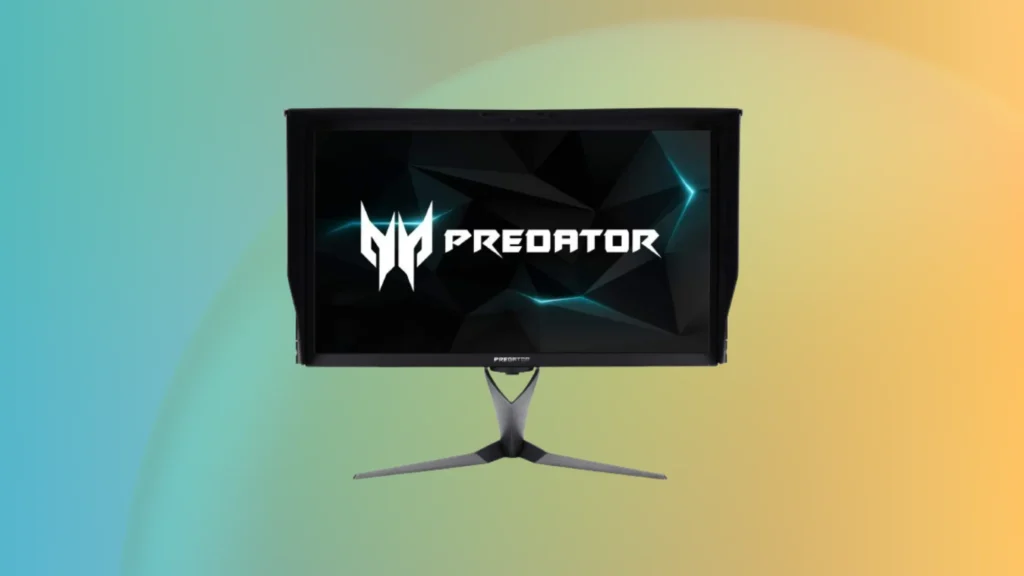
Acer Predator X27
Specs at a Glance
| Specification | Detail |
|---|---|
| Panel Type | IPS with 384-zone FALD backlight |
| Screen Size | 27-inch |
| Resolution | 3840×2160 UHD |
| Refresh Rate | 144Hz (overclocked from 120Hz native) |
| Response Time | 5ms GTG |
| SDR Brightness | 600 nits |
| HDR Brightness | 1,000 nits peak |
| Contrast | 1,000:1 native |
| Color Gamut | Adobe RGB, closer to DCI-P3 in testing |
| HDR Standard | HDR10 |
| Adaptive Sync | G-Sync (requires DisplayPort) |
| Video Inputs | 1x DisplayPort 1.4, 1x HDMI 2.0 |
| USB | 1x upstream, 4x downstream USB 3.0 |
| Speakers | 2x 7W internal |
| Warranty | 3 years |
Reasons to Buy
- Tom's Hardware confirms stunning image in both SDR and HDR modes representing a standard for others
- 384-zone FALD backlight enables genuine 1,000 nits peak HDR brightness found only in premium reference displays
- Reference-level HDR performance comparable to what was previously only achievable in professional reference monitors
- Included light hood significantly improves perceived contrast in all but the darkest rooms
- Factory calibration data sheet included for sRGB mode confirming Acer's commitment to accuracy
- Internal 7-watt speakers sound notably better than most built-in monitor speakers
- Three saveable OSD memory slots for storing different configuration profiles
- Robust cast aluminum stand with firm ergonomic adjustments including 5-inch height and 20-degree swivel
Reasons to Avoid
- No brightness adjustment available in HDR mode, limiting HDR flexibility compared to competitors
- Premium pricing reflects the cost of the 384-zone FALD backlight technology
- 144Hz requires overclocking from 120Hz native, activating an internal fan that runs louder than the competing Asus equivalent
The 384-Zone FALD Backlight
Why Peak Brightness Matters for HDR
An Unusual but Effective Inclusion
Gaming and Calibration Experience
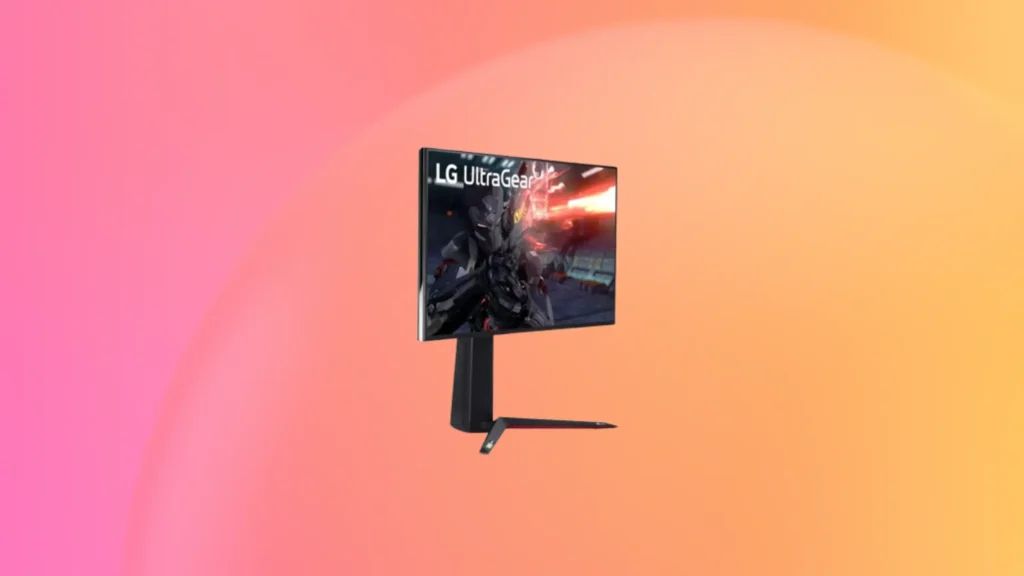
LG 27GN950-B Ultragear
Specs at a Glance
| Specification | Detail |
|---|---|
| Panel Type | Nano IPS with edge local dimming |
| Screen Size | 27-inch |
| Resolution | 3840×2160 UHD |
| Refresh Rate | 144Hz |
| Response Time | 1ms GTG |
| SDR Brightness | 400 nits |
| HDR Brightness | 600 nits |
| HDR Standard | HDR10, DisplayHDR 600 |
| Color Gamut | DCI-P3, measured 95% coverage |
| Adaptive Sync | FreeSync Premium Pro 48-144Hz, G-Sync Compatible |
| Video Inputs | 1x DisplayPort 1.4, 2x HDMI 2.0 |
| USB | 1x upstream, 2x downstream USB 3.0 |
| Bezel | 5mm top and sides, 10mm bottom |
| Warranty | 3 years |
Reasons to Buy
- Tom's Hardware confirms one of the fastest 4K monitors at 144Hz delivering accurate color and excellent HDR
- Nano IPS technology delivers 95% DCI-P3 coverage for rich, accurate color across gaming and creative work
- DisplayHDR 600 certification ensures 600 nits peak brightness, meaningfully higher than DisplayHDR 400 alternatives
- Both AMD FreeSync Premium Pro and G-Sync Compatible certification confirmed in independent testing
- Thinnest bezels of any monitor in this comparison at just 5mm top and sides
- Local dimming delivers HDR quality that Tom's Hardware confirmed comes close to FALD display performance
- RGB LED ring around stand attachment with LG Ultragear Control Center app for coordinated lighting
- Price position undercuts competing FALD monitors significantly while delivering close to comparable HDR results
Reasons to Avoid
- Edge-lit local dimming can produce visible vertical bands where backlight brightness changes in some scenarios
- sRGB mode reduces gamut but still measures above 130% sRGB coverage rather than true sRGB compliance
- No swivel adjustment on the stand, only height, tilt, and portrait mode
More Color for the Money
Better Brightness Than Entry-Level HDR
The Unique Ability to Adjust Brightness in HDR Mode
Value Positioning in the 4K 144Hz Market
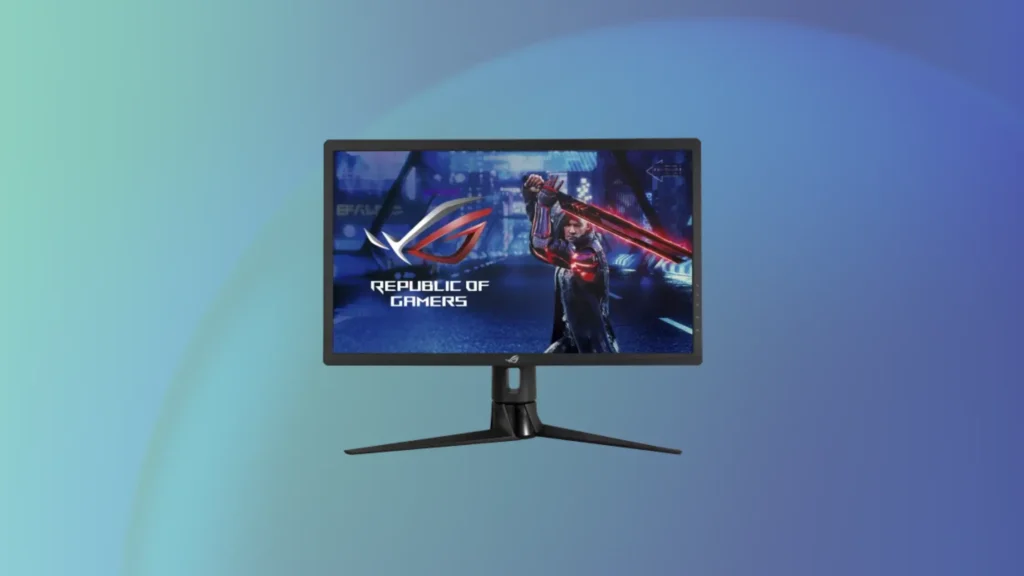
ASUS ROG Strix XG27UQ
Specs at a Glance
| Specification | Detail |
|---|---|
| Panel Type | AHVA-IPS with edge array backlight |
| Screen Size | 27-inch |
| Resolution | 3840×2160 UHD |
| Refresh Rate | 144Hz |
| Response Time | 1ms GTG |
| SDR Brightness | 350 nits |
| HDR Brightness | 400 nits |
| HDR Standard | HDR10, DisplayHDR 400 |
| Color Gamut | DCI-P3, 90% coverage claimed |
| Adaptive Sync | FreeSync, G-Sync compatible (verified in testing) |
| Video Inputs | 2x DisplayPort 1.4, 2x HDMI 2.0 |
| USB | 1x upstream, 2x downstream USB 3.0 |
| Portrait Mode | Yes |
| Warranty | 3 years |
Reasons to Buy
- Dynamic Dimming feature effectively increases contrast three-fold in SDR mode without clipping highlights
- Factory calibration included with data sheet confirming Asus's per-unit accuracy commitment
- Two DisplayPort 1.4 inputs enable connection of multiple PC sources without swapping cables
- Extra Low Motion Blur supports up to 144Hz, higher than many competing implementations
- Richly saturated extended color gamut delivers vibrant, natural-looking gaming visuals
- Portrait mode rotation for vertical content viewing and multi-monitor array configurations
- Aura Sync RGB lighting coordinates with other compatible ROG components for a unified gaming aesthetic
Reasons to Avoid
- Chunky nearly 1-inch bezel is noticeably wider than competing monitors and sits proud of the anti-glare layer
- DisplayHDR 400 certification provides more modest HDR brightness than the LG and Acer alternatives
- More expensive than the LG 27GN950-B despite the LG offering better color coverage and HDR brightness
The Fastest 4K Monitor
The SDR Contrast Enhancement
Two DisplayPort Inputs
Gaming Ecosystem Integration
Which Is the Best 4K 144Hz Gaming Monitor for You?
With four outstanding 4K 144Hz gaming monitors covering different HDR implementations, screen sizes, and feature priorities, the right choice depends entirely on what you value most in your display investment.
| Your Priority | Best 4K 144Hz Monitor |
|---|---|
| Best overall HDR and image quality | Acer Predator X27 |
| Best large screen with console support | Gigabyte Aorus FI32U |
| Best value for performance and HDR | LG 27GN950-B Ultragear |
| Best pure gaming performance and ecosystem | ASUS ROG Strix XG27UQ |
For most buyers who want the best overall 4K 144Hz gaming monitor experience and are willing to invest in top-tier HDR capability, the Acer Predator X27 remains the definitive recommendation. Its 384-zone FALD backlight and 1,000 nit peak HDR brightness deliver a display experience that competing edge-lit alternatives cannot fully replicate, and Tom’s Hardware’s assessment of it as a standard-bearer for the category reflects genuine benchmark-backed performance leadership.
For buyers who want a large screen experience with console compatibility, the Gigabyte Aorus FI32U’s 32-inch panel, HDMI 2.1 inputs, and exceptional audio system make it the most feature-complete option. For the best value without sacrificing meaningful performance, the LG 27GN950-B delivers Nano IPS color accuracy and DisplayHDR 600 brightness at a price that undercuts its FALD competition significantly. And for gaming-focused buyers who prioritize minimum latency and ROG ecosystem integration, the ASUS ROG Strix XG27UQ remains a compelling dedicated gaming monitor choice.
For the most current benchmark data and technical analysis across the full 4K 144hz gaming monitor market, Tom’s Hardware’s comprehensive monitor review library provides the most thorough independent testing available before making your final purchasing decision. Don’t forget to check out our 1440p Gaming Monitor with OLED Display recommendations.